

Why James Vowles does not believe much-debated F1 2026 issue is a ‘bad thing’


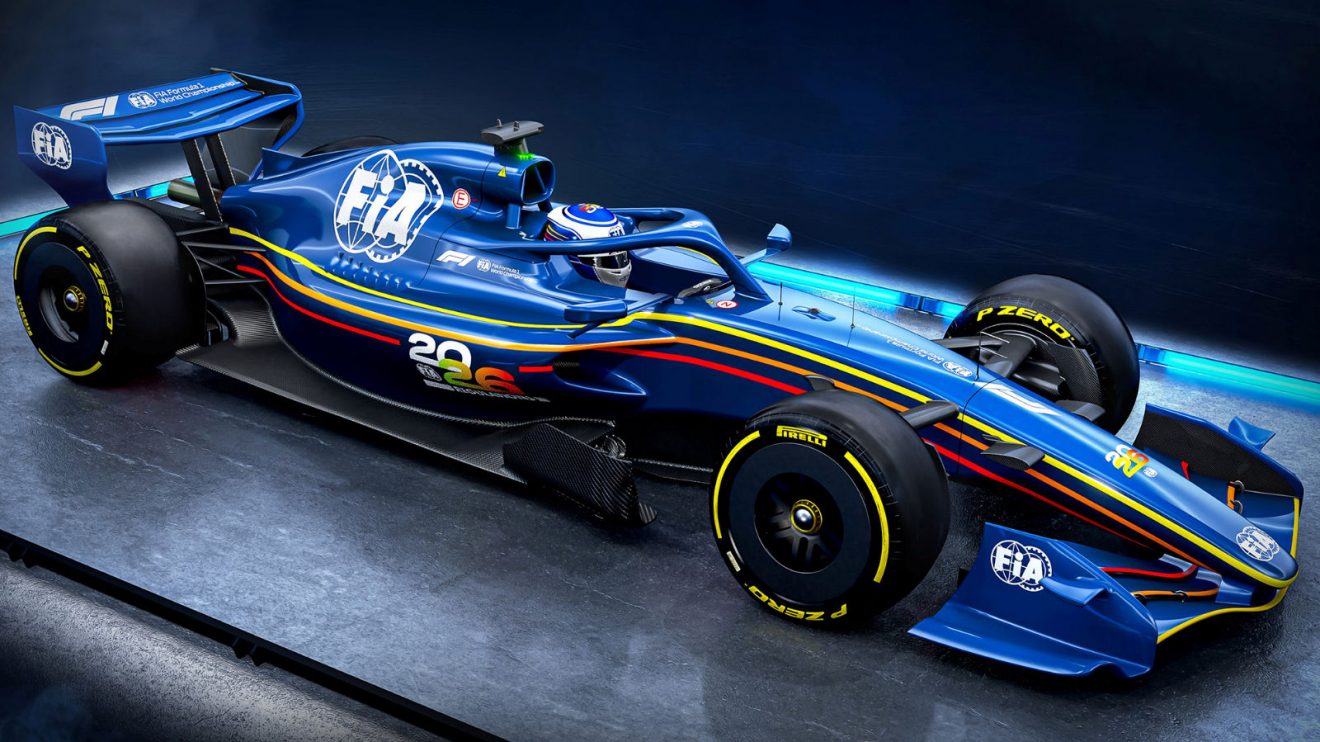
While business in F1 2025 is far from settled, for many teams, the focus is increasingly turning towards the F1 2026 campaign to come.
At that point, a new era will be ushered into Formula 1, with both the chassis and engine regulations are to overhauled. One much-debated characteristic of the new-look F1 is the potential that cars will slow on the straights. Williams boss James Vowles confirmed that, but he is not alarmed, far from it.
Will slowing F1 2026 cars help overtaking?
The list of changes for F1 2026 is extensive. On the chassis side, the cars are to become smaller and 30 kg lighter, as part of what governing body the FIA branded its ‘nimble car’ concept. The Drag Reduction System [DRS] will be dropped, with active aerodynamics taking over.
The engines meanwhile will see a major increase in electrical power. While the MGU-H element will be dropped for cost-cutting purposes, the MGU-K energy output will go from producing 120 kW at present to 350 kW.
There will still be an internal combustion engine at play, but as of F1 2026, it will run on fully sustainable biofuel.
Considering the increase in electrical power, it has led to chatter, and concern, that the F1 2026 cars could slow towards the end of straights, with the MGU-K hitting its maximum energy deployment before the end of such a section of track.
Vowles confirmed that this is a potential characteristic of the F1 2026 cars. But, while that is enough to concern many, Vowles believes he has spotted a possible positive when it comes to overtaking action.
“I think next year’s car, so will it be slowing? Yes,” Vowles told Sky F1.
“Would I think it will be a bad thing? No.
“Because I think there’s quite an interesting dynamic in overtaking you start getting next year.”
F1 2026: All the details you need
? F1 2026: Confirmed teams and power unit suppliers for F1’s huge regulation changes
? F1 2025 v F1 2026: Nine key questions ahead of huge regulation changes
F1 2026 engine clipping could be a more organic overtaking aid than DRS
On the face of it, an engine losing power does not sound like the most proper way for a driver to be overtaken in F1 2026.
However, to Vowles’ point, it could add a new, interesting dynamic to attack and defence in Formula 1 and actually, it is a fairer variable.
As it is now with DRS, a driver can often be pretty powerless to stop the overtaker when they hit DRS and come sailing past. At least from F1 2026, the drivers, in theory, should have greater control over how they use their electrical deployment in such racing situations.
If one engine manufacturer experiences such clipping issues and another doesn’t, or to a lesser extent, well, that’s the name of the game. That is Formula 1 competition, a challenge for manufacturers to up their game. It is not being left a sitting duck when the following car opens the rear wing and powers past.
Vowles is onto something here. This could be interesting.
Read next: Williams confirms F1 2026 upgrade with ‘first-of-its-kind’ deal announced


