
MOM is out and Boost Mode in as key F1 2026 terms defined


F1 2026 machinery will be changing significantly from its 2025 predecessors.
Formula One Management and the FIA have issued an update on terminology to be used in the F1 2026 season, as all-new cars are welcomed into the sport.
Gone is the turbo hybrid era, and all-new machinery will be taking to the grid next season, with the sport’s chassis and power unit regulations both changing at the same time.
Key F1 2026 terminology defined in latest update
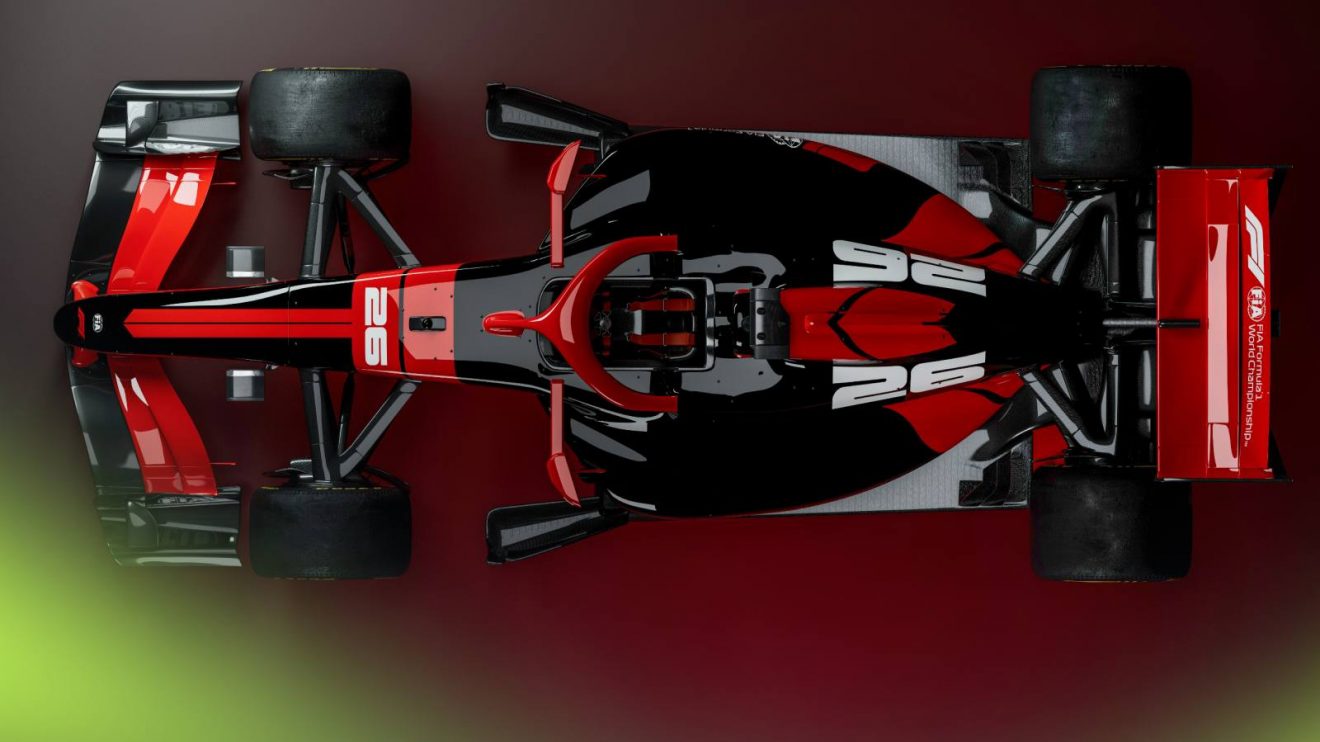
Accompanied by new renders of how F1 2026 cars are set to look, the sport has issued an update surrounding the language used on track around the cars’ new features.
Previously, ‘Manual Override Mode’ [MOM] was in place for drivers being able to try and instigate an overtake when within one second of the car in front, by deploying more energy to do so.
This has now been replaced by ‘Overtake Mode’, which is the term to be the effective replacement for DRS [Drag Reduction System], the movable rear wing system which had been in place since 2011.
The FIA confirmed in a new announcement that Overtake Mode is “for drivers within one second of a car in front to deploy extra power to instigate an overtake.
“It replaces DRS and aids on track passing, being a strategic tool to be used all in one go or spread over a lap.”
Alongside that comes ‘Boost Mode’, a catch-all term for drivers deploying battery power from the power unit’s Energy Recovery System, which “gives the driver maximum power from the engine and battery at the push of a button, no matter where they are on track.”
DRS has been replaced next season in part because of how the cars will run, with active aerodynamics in place to enable the front and rear wings to open at the same time on straights.
This is in order to reduce drag and for fuel efficiency, with next year’s cars set to run with around one-third less fuel over a race distance. These changes have also previously been predicted to help the cars potentially reach top speeds of up to 400km/h [248mph].
More on the huge upcoming changes in F1 2026
F1 2026 tech analysed: The future of overtaking and biggest car advantage identified
F1 2025 vs F1 2026: Nine key questions ahead of massive regulation changes
What other F1 2026 terms should we look out for?
As alluded to beforehand, ‘active aero’ will be a new catch-all term, previously referred to as ‘X Mode’ and ‘Z Mode’ dependent on when wings were open or closed. This will be entering the Formula 1 lexicon as the front and rear wing angles will be able to adjust as required for corners and straights, with the sport adding that “it enables strategic adaptability and maximises full usage of the car’s power through greater on track grip.”
Similar to the previous generation of cars, ‘recharge‘ is set to remain in use over the course of race weekends, with drivers able to recharge their battery power over the course of a lap by braking or lifting the throttle.
Initially introduced as KERS [Kinetic Energy Recovery System] in 2009, the system has developed over time to be integrated into power unit batteries and allow drivers to gather battery power while braking, lifting, or even through corners when not at outright full throttle.
What else is changing on F1 2026 cars?
With changes to the chassis, Formula 1 is moving towards lighter, narrower cars in 2026 – with ground effect aerodynamics no longer playing a role.
The overall length and width of the cars has been slightly reduced, along with a 30kg reduction in the minimum weight of driver and car combined (770kg), in the hope of making the cars more agile and responsive.
The move away from ground effect aerodynamics is also set to result in a reduction in overall downforce, projected between 15-30% compared to 2025 cars.
Alongside that, though, active aero will bring an approximate 40% reduction in drag, enabling the cars to reach potentially higher top speeds.
F1 2026 tyres have been extensively tested in collaboration with every team and tyre suppliers Pirelli, and while the 18-inch wheels remain, the front tyres will be 25mm narrower and 30mm narrower on the rears.
On the power unit, there will be a 50/50 split on internal combustion and electric power, with a 1.6-litre V6 combining with almost trebled electrical capability compared to previous generations of cars, up to 350kw from 120kw as the MGU-K increases its capacity and the MGU-H is removed.
This will all run on sustainable fuel, with a limit of 70kg to be used in a race, down from approximately 105kg last season.
Read next: Revealed: What Toyota really wants to gain from its Haas F1 partnership