
F1 2026 sidepods: Radical Audi F1 solution, Red Bull makes early RB22 change


From Audi F1’s radical solution to Cadillac’s relatively benign alternative, the F1 2026 regulations have resulted in a number of different design solutions being employed by the teams.
The sidepod is always an interesting design decision for the teams as they have to factor in not only how to package the various heat exchangers for their power units but also electronics within them while also being careful about their aerodynamic impact.
F1 tech analysis: A closer look at each team’s sidepod design

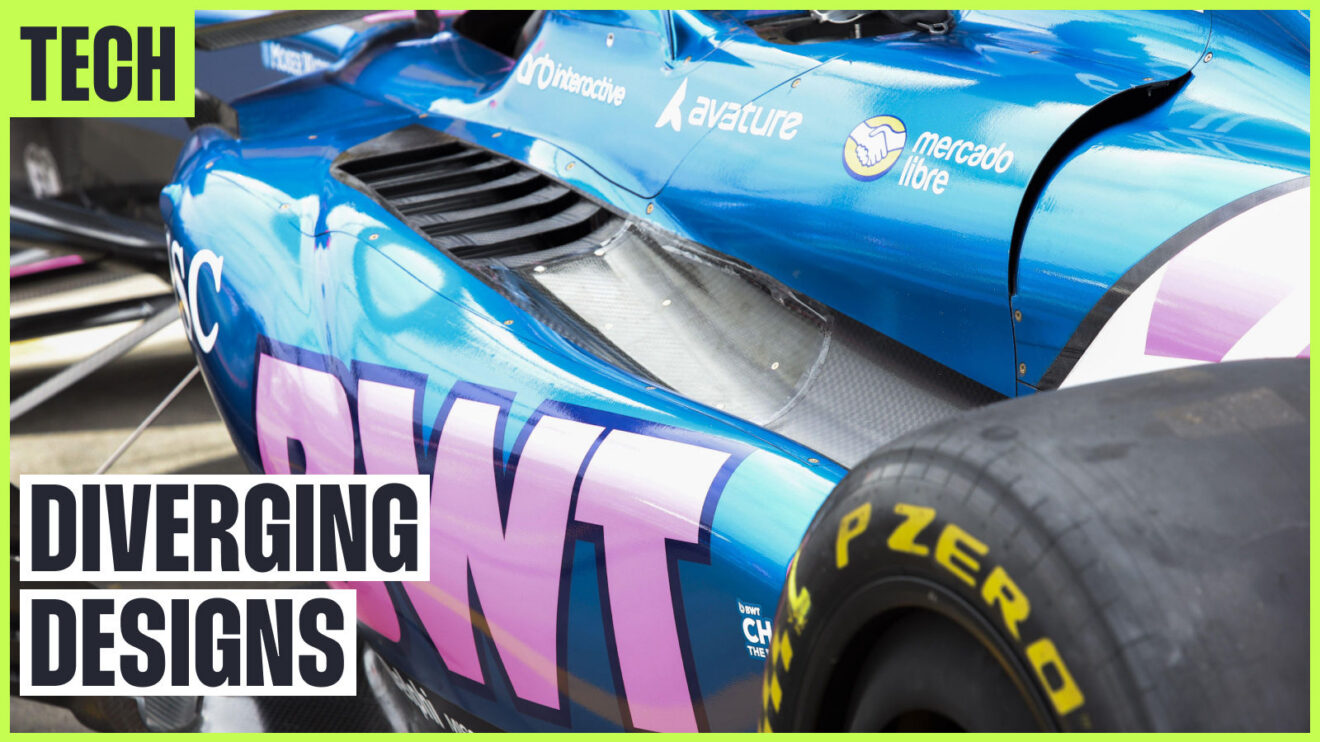
Alpine’s sidepods have a fairly conventional hooped inlet but with this being pushed forward it also permits a sizeable undercut.
The main body of the sidepod sits wide at the floor level but also features something of a waterslide-style gulley on its upper surface.
An interchangeable panel in the midsection permits the team to employ different cooling strategies, with cooling gills on show here.
The bodywork falls short of being what we’d describe as a full downwash solution, with the declining ramp section at the rear left to hover above the floor.

An incredibly tight sidepod on the Aston Martin AMR26 not only neatly envelopes the heat exchangers within, it also creates a gigantic space beneath the main body.
This results in an overhang-style solution, with the angled upper surface of the sidepod encouraging the airflow to find its way into the coke bottle region at the rear of the car.

Audi opted for a radical approach for its sidepod design with a narrow, vertical inlet permitting an outwardly tapering forward section.
A pelican-style underbelly in the midriff creates definition in the sidepods’ flank and provides not only room for the components housed within but also offers its own aerodynamic advantages.
The rear portion of the downsloping sidepod arrangement falls into the floor section, creating a ramp for the airflow to follow.

Cadillac opted for a relatively benign solution, with a shallow but wide inlet, with a corner radius that feeds into the bodywork’s shoulder section and helps to define the undercut.
A gentle curvature is used on the sidepod’s upper surface to create a downsloping ramp arrangement that feeds into the floor at the rear.

Ferrari opted to continue with a P-shaped inlet arrangement that characterised its design profile during the later stage of the ground-effect era.
The shape of the inlet’s outer corner has a bearing on the shape of the sidepod bodywork’s shoulder.
Go deeper: Matt Somerfield F1 2026 tech analysis
F1 2026 deflector array designs reveal major team differences under new rules
Aston Martin continue AMR26 upgrade plan despite F1 2026 struggles
The undercut shape is also dictated by the shape of the inlet and continues to, along with the shoulder shape, drive the remainder of the uplifted bodywork.
The downsloping and tilted sidepod allows passage of the airflow down into the coke-bottle region, but the disconnect with the floor results in an overhang for the lower airflow’s passage too.

The solution being employed by Haas has a more rectangular shaped inlet, which influences the size and shape of the undercut beneath.
An elongated flank sharply falls down to the floor at the rear of the assembly, while the upper surface has the waterslide-style drop-off in the central section that became commonplace during the previous rules era.

McLaren has adopted a relatively simplistic approach with its sidepod design with a gently tapering downslope solution being employed.
As you’d expect, the shape of the inlet has a significant bearing on the size and shape of the undercut and the G-Line thereafter, which also maximises the free space outboard for the floor.

The solution favoured by Mercedes has an underbite-style inlet solution, with the lower lip forming the undercut that then blends into the high-waisted underbelly.
The sidepod, which is lifted above the floor, allowing the airflow freedom to find its way to the coke bottle section at the rear, also has an outwardly tilted upper surface.

The Racing Bulls’ approach is more of a half-ramp option, with the downsloping upper surface cascading down toward a more abrupt fall off.
Meanwhile, the drooped teardrop-shaped inlet forms the shoulder section of the bodywork and continues to form a swage line for definition thereafter.

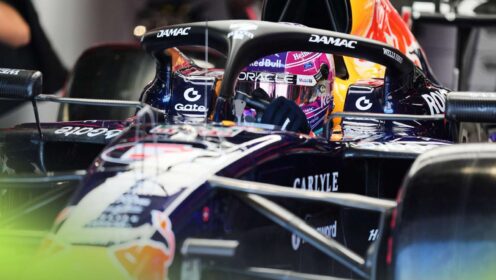
Red Bull has already decided to switch design tact for 2026, having employed a shorter, drop-off style solution in Australia and China (top), before making the switch to a full ramp solution (on Max Verstappen’s car) in Japan.
The changes are not just limited to the shape of the sidepods tail section either though as the team has optimised the layout of the inlet and as a consequence the undercut section too.

The Williams FW48 has a larger inlet with a subtle underbite, with a more traditional undercut spilling out underneath that blends into a tall flank.
The upper surface has a gentle downsloping taper into a rounded drop-off, with a more graduated slope in that rearward section.
Read next: F1 team valuations surge as Ferrari tops billion-dollar boom