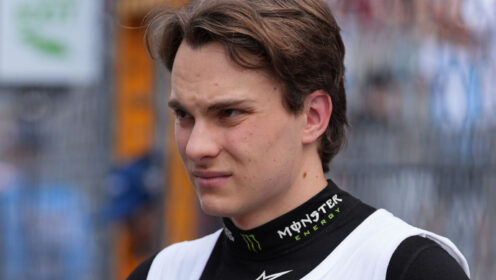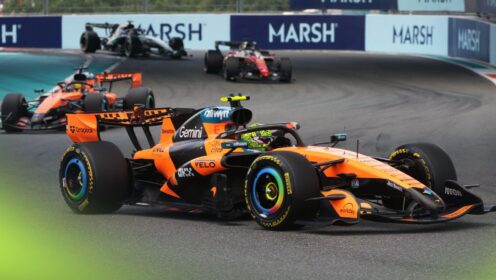

Data highlights incredible details of Oscar Piastri pole lap in Zandvoort


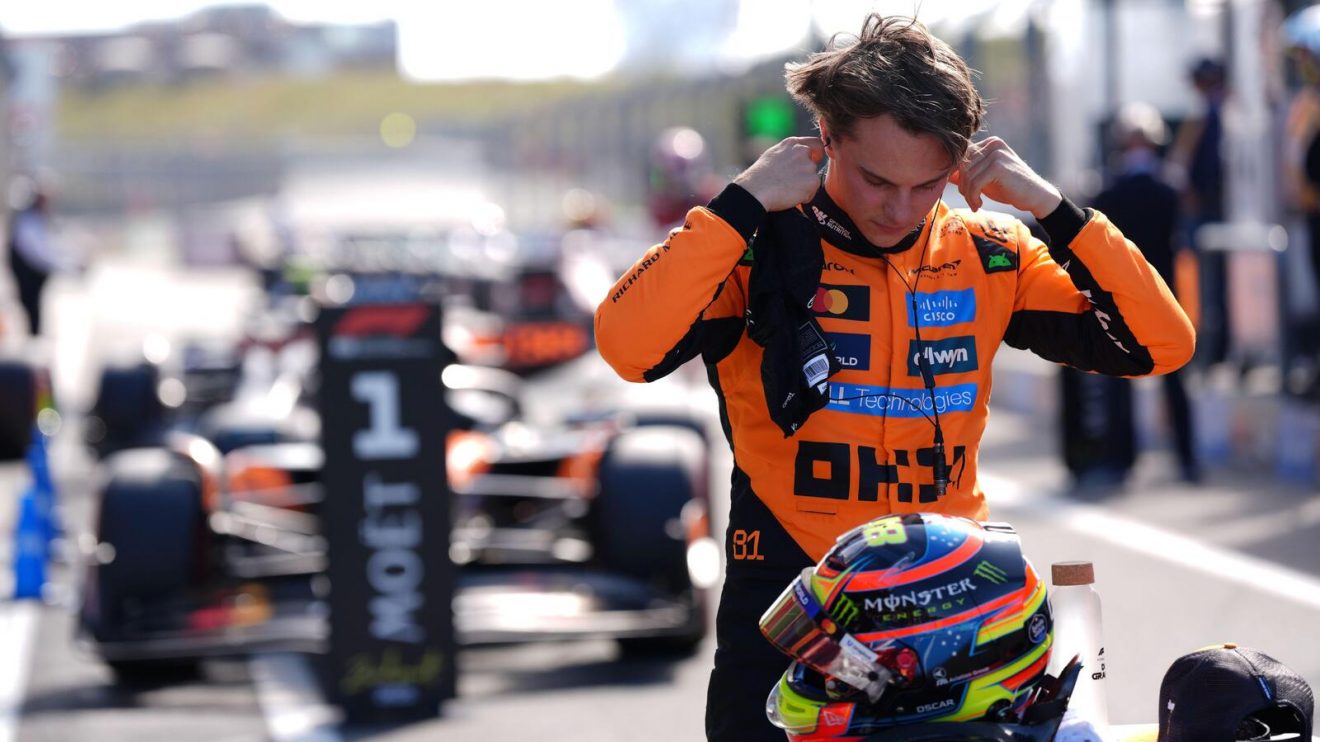
Oscar Piastri scored pole by just 0.012s from his McLaren teammate in Zandvoort.
In a race weekend where everything pointed toward another pole position for Lando Norris, Oscar Piastri surprised everyone by setting the fastest lap in qualifying, significantly boosting his chances of victory in the race.
How the Australian managed to beat his teammate and biggest championship rival is revealed through telemetry data.
Oscar Piastri benefits from impossibly small margins
Only 12 milliseconds of advantage were enough for Oscar Piastri to secure yet another pole position, the fifth of his Formula 1 career. The last time the Melburnian claimed pole was back in Spain, an event that feels a lifetime ago.
Throughout all three free practice sessions, two on Friday and one on Saturday, all eyes were on Norris, who topped the timesheets every time. However, if this season has taught us anything about Piastri, it’s that he has a remarkable ability to shift momentum, often when few expect it, and deliver standout results.
When the gap between two drivers, especially teammates, is this small, every single detail matters. After qualifying, Oscar said it was a “team effort” and that “small setup changes” were what made the difference. And we can confirm that through telemetry data: Piastri made gains in sectors where Norris had previously dominated.
That advantage was especially visible in Sector 1, where Norris had looked stronger all weekend, particularly through Turns 1 and 3. But this time, the upper hand went to the current championship leader.
While Norris — as usual — braked much later into Turn 1 and carried more speed on entry, Oscar had the better line into Turn 3. All weekend, he’d been taking a slightly wider line there, and this time it paid off, allowing him to maintain more speed through the fast corners that follow. By the end of Sector 1, Oscar held the advantage. 

Piastri further extended his lead through Turn 7, where the data clearly shows he lifted off the throttle less than Norris, a sign of greater confidence in the car.
However, his run wasn’t perfect. Onboard footage reveals steering corrections in Turn 9 and more noticeable understeer in Turn 10, a by-product of gusts of wind he told Sky Sports, but areas where Norris was cleaner nonetheless. That allowed the Brit to gain time through the second DRS zone and close out Sector 2 slightly ahead.
One more critical spot in the pole battle was Turn 12, where Piastri had a more stable and precise line. That allowed him just enough of an advantage to finish Turn 14 (the final corner) slightly faster — enough to snatch pole in the final metres before the finish line.
It was a phenomenal lap by both drivers, and the razor-thin margins only make this battle even more thrilling.
Another major factor mentioned by the drivers after qualifying was the wind — always a challenge at this circuit. At Zandvoort, the wind not only constantly changes direction and intensity, but also brings dust onto the track, affecting grip levels between tyre and tarmac.
During Q3, the changing wind meant that drivers never knew what conditions they would face at the next corner — they had to stay fully alert.
Lando Norris described this factor as a matter of luck, and he has a point. When margins are this tight, even something as unpredictable as wind can make a real difference.
Another key detail: both drivers set their fastest laps on their first run in Q3. In the second attempt, neither improved. In fact, Lando was quicker in that second run, but by then, it was too late — the pole was already decided.
Even when comparing their ideal laps from Q3 — combining their best sectors — Oscar still comes out ahead, albeit by an even smaller margin.
More on McLaren
? Uncovered: McLaren deploy update tactic for Dutch GP performance gains
? Revealed: How Norris and Piastri think the F1 2025 title will be decided
Dutch GP implications
Simply put, a lot. Since the Dutch Grand Prix returned to the calendar in 2021, every pole-sitter has gone on to win the race.
That’s largely due to how hard it is to overtake at Zandvoort; the only real opportunity is into Turn 1 at the end of the main straight, which is not particularly long by modern F1 standards.
This means the focus will shift from on-track battles to strategic decisions — and the team that gets the strategy right is likely to win.
At the last race in Hungary, we saw how both drivers and their race engineers adapted to real-time conditions and made the right calls. That ultimately allowed Norris to take the win, despite not being in contention during the early laps.
For this race, the FIA and Pirelli introduced a few changes to encourage two-stop strategies. However, early (unofficial) reports from simulation data suggest that a one-stop might still be the most effective.
So while starting from pole is a huge advantage, the race will still demand perfect execution — both in pace and pit wall decision-making.
Read next: Lewis Hamilton issues Ferrari reality check despite Dutch GP breakthrough