

Andretti snub highlights one critical issue in the sport’s American ambitions


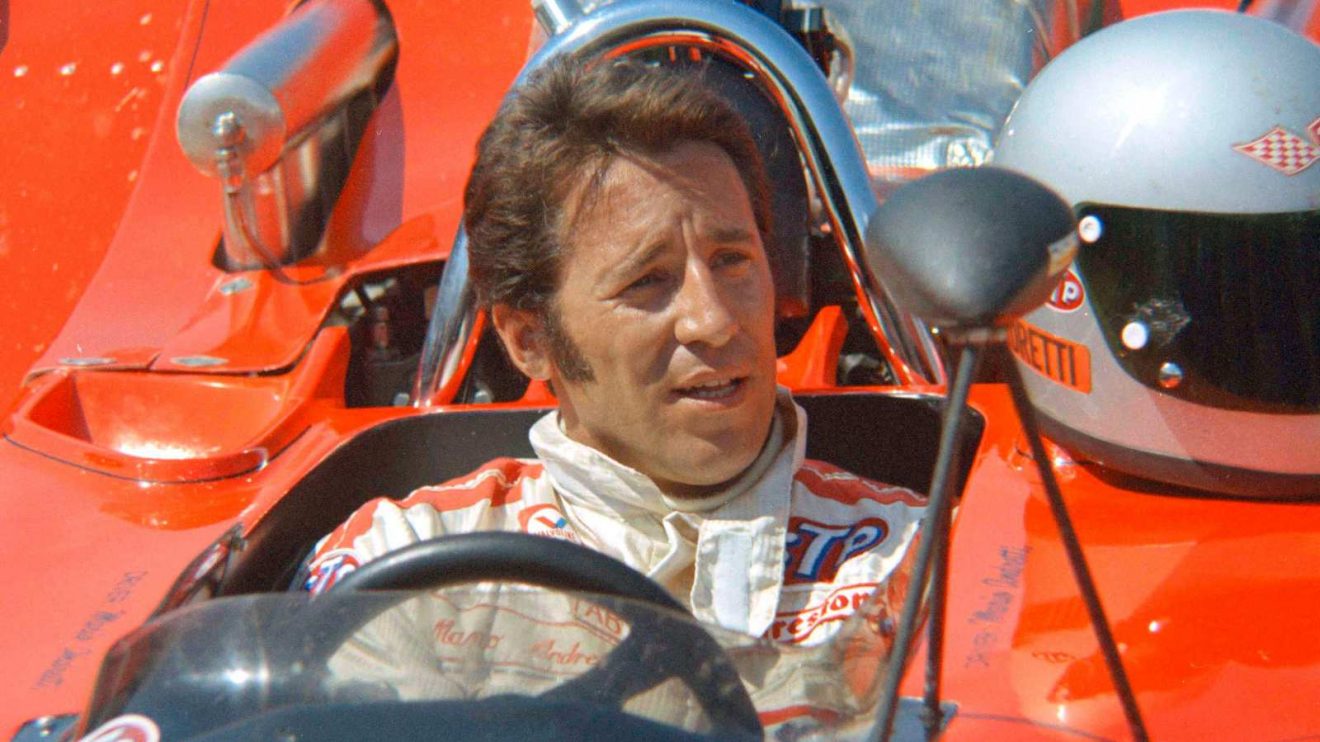
The Andretti name is synonymous with motorsport in America.
For most Americans, the Andretti family name is synonymous with motorsport. Generations of race fans have inevitably grown up watching an Andretti behind the wheel — Mario, Michael, Marco, Jeff, John, Adam — and even those unfamiliar with the nuance of motorsport will still recognize the surname.
But for the members of Formula One Management responsible for rejecting Andretti Global’s prospective 11th team entry, the star power of the name ultimately came to nothing. It’s yet another sign that the European open-wheel series has a serious misunderstanding of American motorsport and its unique traditions.
An American motorsport dynasty unravels
It should come as no surprise that America is distinct from Europe. In one country, sparse settlement and a deep relationship between the region’s inhabitants and the natural world fostered a deep respect for the environment, prioritizing a harmony with nature. In the other continent, centuries of all-conquering empires saw various rulers try to conquer both the inhabitants of different countries, as well as the natural world in which those citizens resided.
The long histories of both regions resulted in very distinct relationships to motorsport. In Europe, where defined roadways had long existed, it was far simpler to build a machine and send it off from one city to the next. In America, the first cross-country road was built in 1916 — and even then, it wasn’t paved for decades after.
That meant America had to do racing differently. We popped our cars onto oval tracks that had already existed to facilitate horse racing, because braving the wilderness that existed outside of the confines of the city was a challenge that few could afford to mount.
As a result, we’ve developed a racing tradition distinct from that of Europe — but it’s a tradition that the Formula 1 establishment has long failed to recognize.
More on Cadillac and Andretti in F1:
? What’s next for Andretti Global after GM Formula 1 team shock?
? Revealed: The six-stage Cadillac F1 blueprint ahead of huge 2026 entry
The issue stems all the way back to 1950, and Formula 1’s first-ever calendar. In order to be considered a “World Championship,” the series needed to host a race outside of Europe. It chose the Indianapolis 500.
The first running of the Indy 500 took place in 1911, and by the time F1 added it to the calendar, it had developed a deep history of tradition unique to the Indianapolis Motor Speedway.
But F1 never intended for its drivers to race there, and in fact, only Alberto Ascari made the trek to America for the event in the decade it was included in F1’s calendar. The Indy 500 was merely a means to an end for Formula 1.
That mindset carried into Formula 1’s future negotiations with American teams, drivers, and venues. The series often positioned itself in opposition to the dominant form of American open-wheel motorsport at the time, and often seemed unwilling to do basic research into the host cities of American Grands Prix. (After all, no one familiar with the climate of Texas would have scheduled a Dallas Grand Prix for early July.)
It’s also the mindset that encourages F1 fans to disregard oval racing entirely, to see American fans as having jumped on the F1 bandwagon, and to perceive any of F1’s flaws as being the direct result of American influence. Despite that, F1 is still actively attempting to grow in the United States.
The easiest way to signal its positive intentions in America would have been agreeing to Andretti Global’s petition to enter Formula 1. After all, the team already had plans to bring in Cadillac — but the inclusion of “Andretti” would have signaled an appreciation of and respect for one of the biggest families in US racing history. A simple act of goodwill.
F1 declined. It only wanted Cadillac.
Many fans are still thrilled at the idea of an American automaker joining the F1 grid, but that excitement has been tempered by the ongoing feeling that F1 really only wants American money. Yes, America has three F1 races now — but the average fan has been priced out. Yes, the number of American fans has exploded in recent years — but many are already feeling excluded for not being the “kind” of fan F1 wants them to be. Yes, there’s going to be an American manufacturer — but it came at the cost of effectively nixing the Andretti family’s participation in all motorsport.
Of course, Formula 1 is under no obligation to respect the racing tradition of the United States; it is, after all, its own global series. But if F1 is indeed serious about building a solid foundation in America, this is the not the right way to go about it.
Read next: Six classic US mistakes Cadillac should learn from