

How the 2024 US election could influence motorsport in America


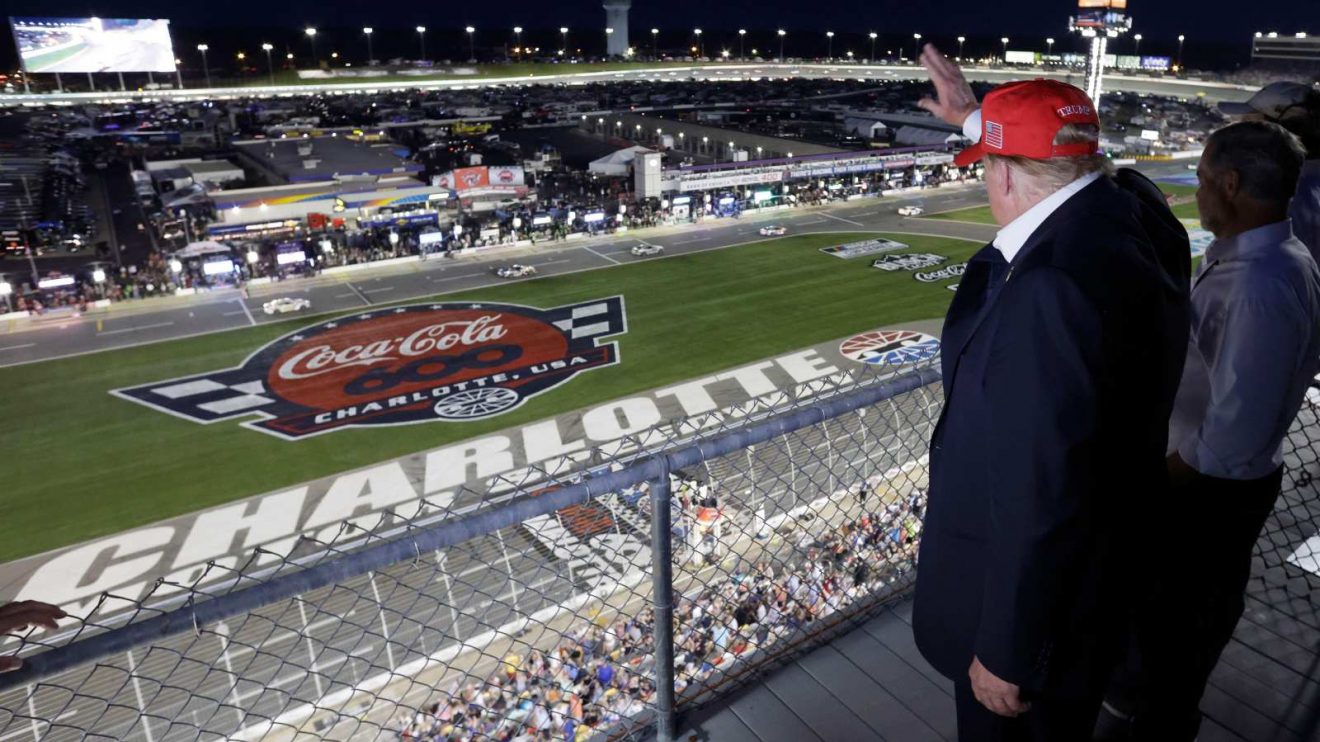
Donald Trump visits Charlotte Motor Speedway for the NASCAR Cup Series Memorial Day event.
Tuesday, November 5 represents another pivotal moment in American politics, when citizens will cast their votes for one of two presidential candidates: Republican Donald Trump, or Democrat Kamala Harris.
While this election is certain to have an impact on almost all facets of American life, today, we’re going to take a look at what effect both Trump and Harris could have on the U.S. motorsport scene.
How the 2024 US election could influence motorsport in America
Donald Trump: A return to previous policies
It should go without saying that neither presidential nominee has directly addressed the future of motorsport in their policy outlines for the future — but we have ever so slightly more information about how these nominees are approaching the automotive industry.
When it comes to Republican nominee and former President Donald Trump, we can expect a continuation of the policies he put into place during his original term in office.
That means higher tariffs on imported goods — which may result in increased cost of production for everything from grandstand seats to the components necessary to build race cars.
However, those tariffs may also add to ongoing conflict at the border, particularly as American-based series like NASCAR begin to plan trips to Mexico City.
With little consumer interest in an electric transition, battery-electric vehicle mandates are expected to be rolled back by both nominees — but Trump in particular is opposed to a mandatory EV transition for automakers and states. Further, in his previous term, he took issue with states like California implementing its own EV mandates.
More on American motorsport and politics:
? Revealed: Who are the 12 U.S. Congress members questioning Andretti’s rejected F1 bid?
Kamala Harris: A continuation of Biden’s policies
Current Vice President Kamala Harris can be expected to continue many of Joe Biden’s policies, albeit with a slightly different twist — though it is admittedly challenging to speculate on Harris’ thoughts on the automotive industry, as she has not specifically addressed it at length.
While Harris is expected to continue providing incentives to big businesses like automakers, she has also expressed sympathy with the United Auto Workers union and its controversial president Shawn Fain, which suggests she may develop policies that prioritize the auto workers as opposed to the auto companies.
Analysts from S&P Global also expect a reduced focus on battery-electric vehicles from a Harris administration, as consumers have largely refused to buy EVs in the numbers required to meet statewide or national mandates. However, we can expect a greater emphasis on hybridization and overall improved emissions standards.
Trump’s tariffs on international goods were scrapped under Biden in favor of a quota system, and we can likely expect something similar to continue under Harris’ tenure. These quotas did also result in hefty fees for imports, so the cost of importing material for motorsport machines will likely increase.
Overall, there would likely be little drastic change between a Biden and a Harris presidency.
The future of motorsport remains murky amid the US election
While the automotive industry has long been a critical battleground for US politicians, the 2024 presidential election has instead focused on topics like personal rights, healthcare, immigration, climate change, and foreign policy.
Both nominees are emphasizing plans for American industrial growth and job security — two elements that have long played into the auto industry conversation — but the complexion of the election has focused more on the personal rights of Americans or others residing within America as opposed to tackling systemic concerns with the economy and industry.
Further, both the Senate and the House of Representatives will face some shake-ups during this election cycle. If the party affiliations between the President and Congress differ, it can become much more challenging for any one person to enact change without lengthy negotiations.
The biggest impact on motorsport here will likely come in the form of tariffs, which could increase the cost of motorsport parts and therefore pass that cost on to the fans.
Read next: Brazilian GP conclusions: Why Max Verstappen is the master manipulator