

The surprise midfield team which made more profit than Red Bull in F1 2023


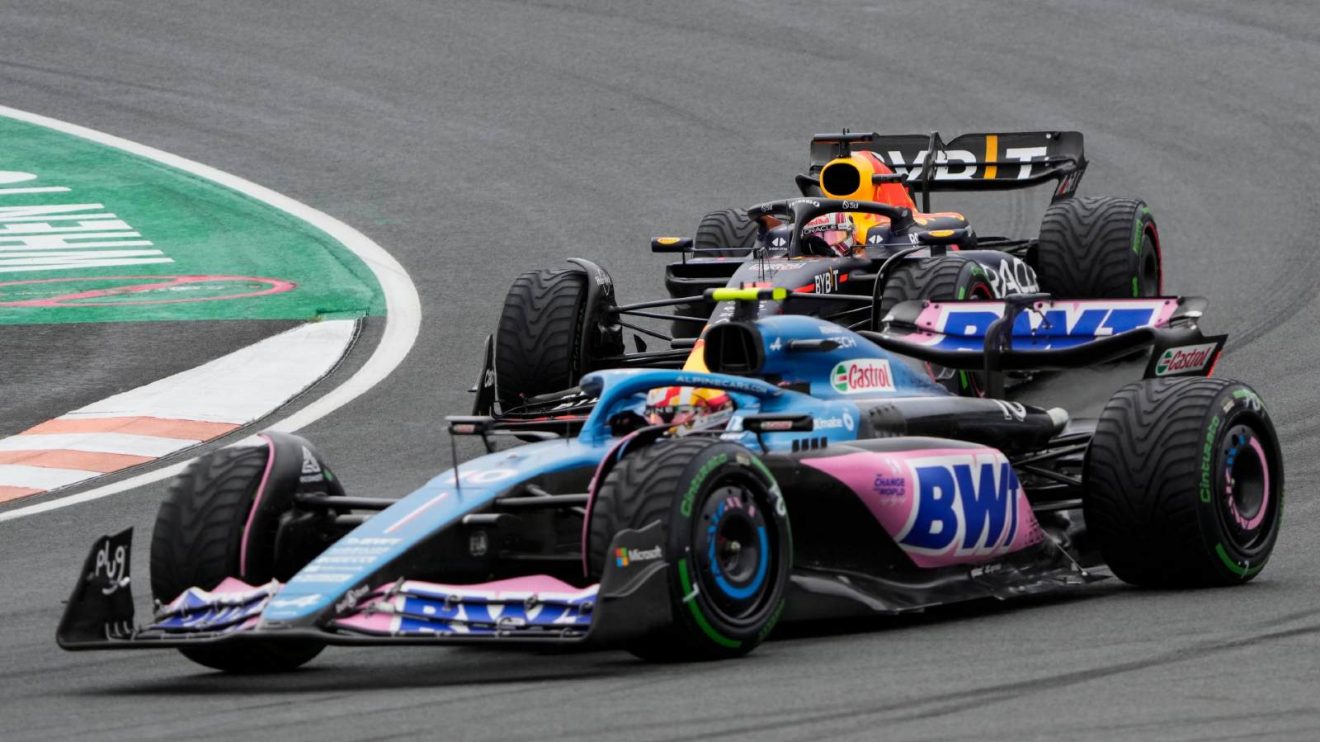
Alpine weren't ahead of Red Bull on track often in 2023, but the company made more profit than the reigning World Champions.
Despite its on-track successes in F1 2023, Red Bull’s profits were eclipsed by a surprise rival team in Alpine.
Several team’s finances have been revealed through the UK’s Companies House, reflecting their financial positions for the 2023 season.
Red Bull’s finances up, although profits shrink
With 22 out of 23 races won in 2023, Red Bull‘s on-track dominance translated into an increase in turnover from £278.03 million to £307.47 million.
Its gross profits increased a little, up from 2022’s £2,272,000 million to £3,050,000 million for 2023.
After tax, its profits were £1,296,000 – a decrease from 2022’s £2,057,000, due to a corporation tax adjustment, which was increased by 4.5% compared to ’22. The increase in the main rate of corporate tax was enacted from the 1st of April 2023.
The team’s cost of sales, ie. the cost of going racing, rose from £253,130,000 to £287,780,000, eating into its profit margin.
The increases in the cost base are “primarily driven by success-based payments, reflective of the team’s performance on track in 2023”.
The report also reveals the remuneration paid to its highest-paid director, who was paid £7,000,000 in 2023 – more than double what he earned in 2022. Subtracting from the total directors’ remuneration reveals the sum paid to Helmut Marko as RBR’s sole other director – he received £190,000, separate from any remuneration he received from Red Bull GmbH.
In its business review, Red Bull made a point of highlighting the growing influence of North America in F1 alongside its own on-track successes, and said: “Commercially, the team’s performance continues to be exceptionally strong, acquiring seven new partnerships, five of those HQ’d in the US, a territory the team has continued to generate mass appear in.
“In addition to these new partners, the team also renewed four major partnerships, two of which are over four-year deals, demonstrating commitment to the long-term ambitions and value that the team offers brands.”
While RBR’s accounts suggest only a tiny profit margin, it’s worth pointing out that, as an entity, it is tied together with Red Bull Technology and Red Bull Advanced Technologies – Red Bull Technology boasted post-tax profits of £11 million for 2023, while Red Bull Advanced Technologies made a post-tax loss of £35,000.
Williams’ losses accelerate as balance sheet takes a hit
At Williams Grand Prix Engineering, revenues shrank from £142,846,000 to £126,965,000 with its cost of sales rising from £70.8 million to £86.6 million – still less than a third of Red Bull’s.
Gross profits shrank from £72 million to £40.3 million, while expenses rose from £135.5 million to £161 million. This means that, once all expenses and taxes are paid, Williams made a net loss for the 2023 season.
The losses of 2022, which were £17.8 million, accelerated to £84.2 million for 2023.
The amount of money handed over to the directors Matthew Savage and James Matthews as director remuneration was £80,000 – down from £563,000 in 2022.
In its business report, Williams said: “For the year ended 31 December 2023, revenue was £127.0m, and the loss after tax was £84.2m.
“Whilst losses have increased compared with 2022, this is in line with expectations and the Company’s strategy to continue investing in all areas of the business to drive both on-track and commercial performance in pursuit of success in the medium and long term.
“Revenue was lower in 2023 as a result of lower commercial rights revenue associated with finishing 10th in the 2022 Constructors’ Championship (2021: 8th). During the year, the Company disposed of £ 18.3m of its heritage assets at a realised profit of £3.5m.
“The balance sheet remains strong with net assets of £67.3m as of 31 December 2023 (2022: £116.4m), providing a sound financial base on which to continue the team’s long-term strategy of returning to the front of the grid and being financially sustainable.”
Later in the Companies House documents, the Directors said they have “prepared cash flow forecasts for a period of 12 months from the date of approval of these financial statements and also considered whether significant events or conditions are expected to arise thereafter.
“These forecasts include contracted and uncontracted sponsorship revenue, estimates of other income and expected expenses. The base case forecasts indicate that the Company will require additional shareholder support in order to meet its liabilities as they fall due.
“Any operational shortfall in the Director’s severe but plausible downside forecasts will increase the amount of additional funding required. If required, and as a contingent measure, the Company could reduce its expenditure and other income may be secured through the disposal of assets and obtaining finance, potentially secured against its assets.
“In order to meet any shortfall, the Directors will seek additional shareholder support from the Company’s owners who have indicated they will continue to be supportive.
“By placing reliance on other Group entities for financial support, the Directors acknowledge that there can be no certainty that this support will continue although, at the date of approval of these financial statements, they have no reason to believe that it will not do so. Similar support has been provided by the Company’s owners over the previous three years.
“The Group continues to closely manage its working capital and the Directors have reason to be confident that sufficient working capital will be available to meet the cash flow needs of the business throughout the forecast period.
“The shareholder support required is potentially extensive and the Directors recognise that these circumstances represent a material uncertainty that may cast significant doubt on the Group and Company’s ability to continue as a going concern and, therefore, to continue realising their assets and discharging their liabilities in the normal course of business. The financial statements do not include any adjustments that would result from this basis of preparation being inappropriate.”
More on finances in F1
? Highest salaries compared: F1 team principals vs Premier League managers
? F1 2024 driver salaries revealed: Who are the highest-paid drivers on the grid?
Alpine profits shrink as team ownership structure changes
Meanwhile, at Alpine Racing Limited, turnover increased from £249 million to £250 million, with its cost of sales increasing by £7 million from 2022 to £177.6 million for 2023.
With gross profits down by £6 million, an increase in administration expenses resulted in a dip in operating profit – down from £35.5 million to £18.1 million. After tax, Alpine’s profits were £7.7 million – down from £26.2 million in 2022 – but, outstripped the profits reported by the Red Bull Racing company!
The team also handed over 24% of its shares to Forest Intermediate Holdings during 2023, consisting of Otro Capital, RedBird Capital Partners, and Maximum Effort Investments. This minority shareholding goes alongside the 76% retained by Renault S.A.
“Turnover for the year, comprising mainly of sponsorship income and prize money, was £250.0 million and the profit after taxation for the financial year was £7.8 million,” read the Alpine company’s report.
“The strong on-track performance seen in 2022 helped to improve prize money by 8.5%. However, the weaker on-track performance in 2023 negatively impacted sponsorship and merchandising revenues, causing a reduction of 7.0%.
“Operating costs have risen at a higher rate compared to turnover of 8.6%. While the Company has maintained a disciplined approach to cost control, continued inflationary pressures coupled with the additional costs of headcount and infrastructure growth have led to a shrinkage in operating margin of 49.0%, resulting in an operating margin of £18.1 million.”
Staff costs remained largely stable compared to 2022, while there was a circa 25% increase in the remuneration for the highest-paid director – up from £208,000 to £259,000.
It’s not confirmed which director received this remuneration, as there were several directors serving during 2023 – including former team boss Bruno Famin, former Alpine CEO Laurent Rossi, current Alpine CEO Phillippe Krief, chief financial officer Duncan Minto, Otro Capital’s Alec Scheiner, and Michaell Smith.
Mercedes profits prove eye-opening
Earlier this year, documentation released by Companies House revealed the financial situation of the Mercedes F1 team, covering 2023.
Mercedes-Benz Grand Prix Ltd. has declared a turnover of £546.5 million for 2023, which is an increase of £71.9 million over its 2022 figures.
Despite turnover increasing by just over a sixth, Mercedes’ profits took a small dip from the 2022 figure of £89.7 million – their 2023 profit was £83.8 million, completely eclipsing that of Alpine’s and Red Bull.
Throughout 2023, Mercedes paid out £75 million to shareholders, up from £55.2 million in 2022.
Mercedes’ figures show an increase in its ‘cost of sales’, ie. the money it spends to go racing, rising from £350 million to £413.6 million with an £8.8 million rise in its administrative expenses.
At the time of writing, McLaren’s accounts are overdue since the 30th of September.
Read Next: FIA loses two high-profile officials in blow to F1 governing body